Destinations
Destinations 1 - 12 of 20

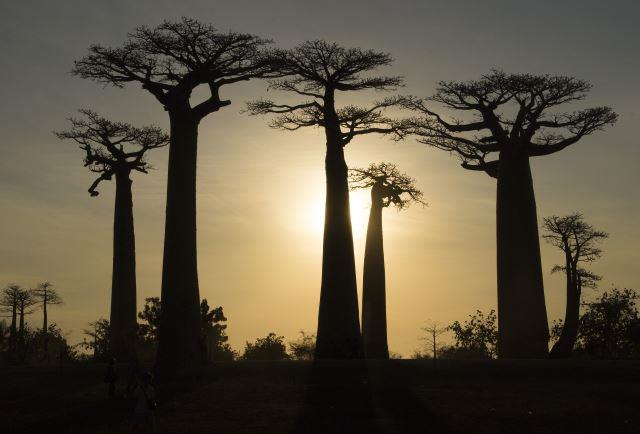
Madagascar, the world’s fourth-largest island, lies off the southeastern coast of Africa and is renowned for its extraordinary biodiversity and unique landscapes. Its rainforests, spiny deserts, and highland plateaus provide habitats for species found nowhere else on Earth.

Antananarivo, Madagascar’s vibrant capital, offers a unique blend of cultural richness and historical depth. Perched on a series of hills, the city’s layout is characterized by its steep streets and traditional architecture. The Royal Palace, or Rova of Antananarivo, is a central landmark, offering a glimpse into Madagascar's royal past. Although much of the palace was destroyed by fire in 1995, the site remains a significant cultural and historical monument.

Andasibe-Mantadia National Park, located in the eastern highlands of Madagascar, offers a captivating journey into one of the world’s most unique rainforests. Famous for its rich biodiversity, this national park is home to the largest species of lemur, the indri, whose haunting calls echo through the dense canopy. Visitors to the park can explore lush tropical landscapes filled with rare plants, birds, and other endemic wildlife, making it a must-visit for nature lovers and adventurers alike.
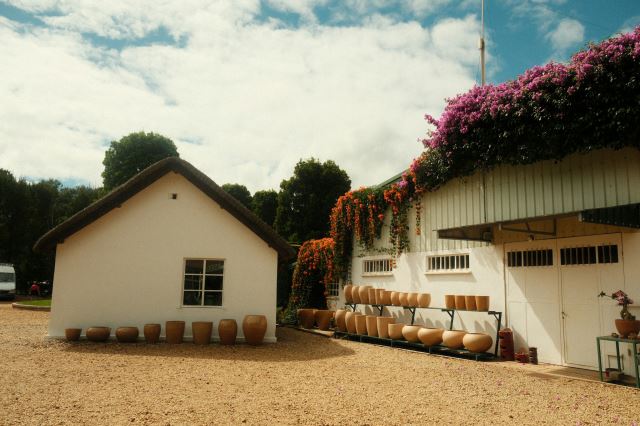
Antsirabe is a highland city in central Madagascar, known for its cool climate, broad streets, thermal springs, and distinctive cycle rickshaws called pousse-pousse. Located in a fertile agricultural region, it serves as an important center for farming, crafts, and local trade. The surrounding landscape includes rice fields, volcanic hills, and cultivated countryside, while the city itself has a more orderly layout than many other Malagasy towns.
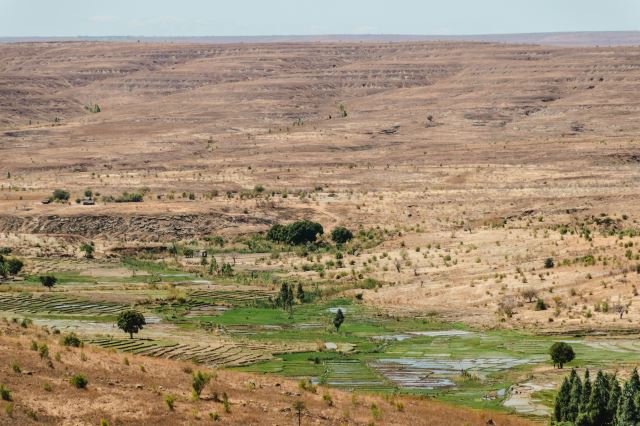
Isalo National Park lies in southern Madagascar near the town of Ranohira, protecting about 81,540 hectares of sandstone massifs, deep canyons, grasslands, forests, and rocky plateaus. Its landscape has been shaped by erosion into unusual cliffs, ridges, gorges, and isolated rock formations. The park's semi-arid climate creates strong contrasts between dry open slopes and greener canyon floors, where streams support pockets of vegetation.
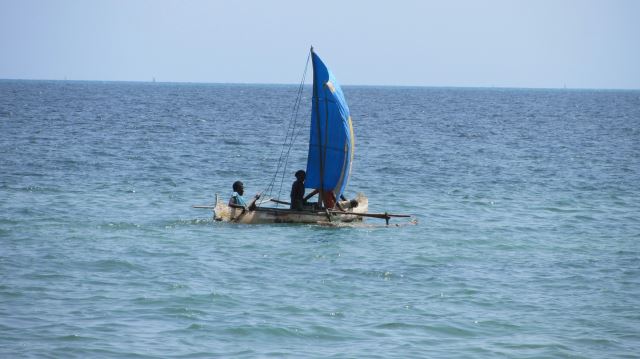
Ifaty is a coastal destination in southwestern Madagascar, located north of Toliara along the Mozambique Channel. The area is known for sandy beaches, shallow turquoise waters, dry forests, and a landscape shaped by the region’s hot, semi-arid climate
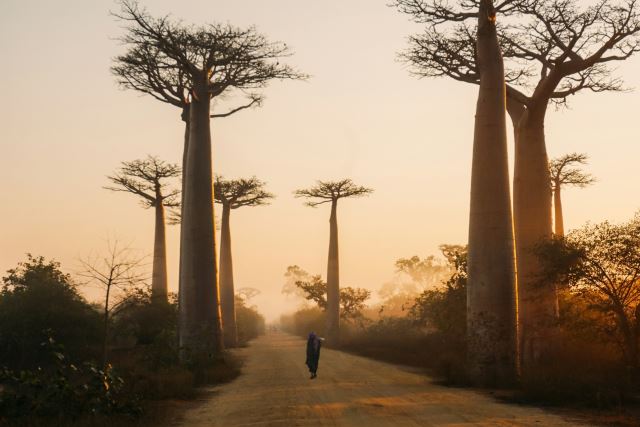
Morondava is a coastal town in western Madagascar and the capital of the Menabe region. Located along the Mozambique Channel, it serves as a base for exploring the dry landscapes and wildlife of western Madagascar. The town is closely associated with the Avenue of the Baobabs, one of the country’s best-known natural landmarks, and with the dry forests around Kirindy. Morondava’s setting is shaped by sandy coastal areas, river systems, dry woodland, and open plains.
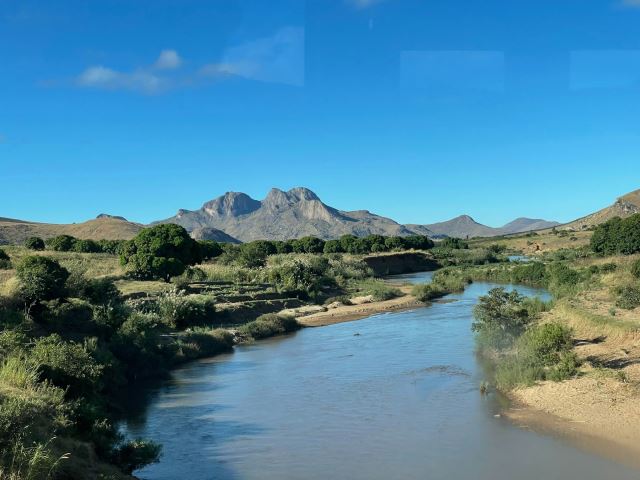
Fianarantsoa is a hilltop city in Madagascar’s central highlands and the capital of Haute Matsiatra region. Its name means “place of good learning,” reflecting the city’s long association with education and religious institutions. Built across a series of hills, Fianarantsoa overlooks valleys filled with rice fields, farmland, and scattered villages.

Nosy Be, often called the “Perfume Island” due to its fragrant ylang-ylang trees, is Madagascar’s largest and most popular tourist destination. Situated off the northwest coast of Madagascar, this tropical paradise boasts powdery white sand beaches, turquoise waters, and lush inland rainforests, making it an idyllic escape for beach lovers, nature enthusiasts, and adventure seekers alike. Nosy Be is renowned for its stunning marine life.
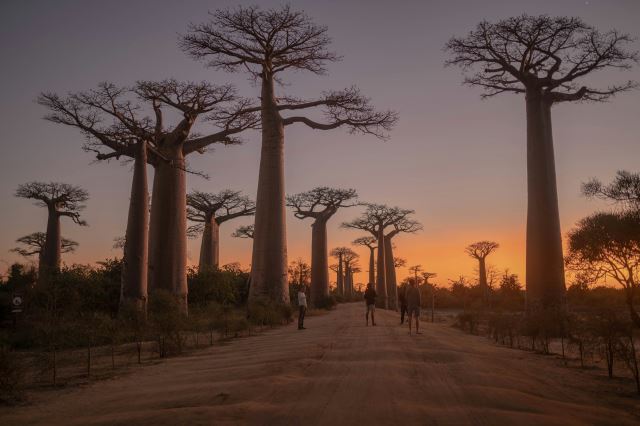
The Avenue of the Baobabs is a famous landscape in western Madagascar, located near Morondava in the Menabe region. A group of tall Grandidier's baobabs lines a dirt road across a broad, dry plain, creating one of the country's most recognizable natural scenes. These trees are endemic to Madagascar and can reach great heights, with thick trunks adapted to storing water during the dry season.
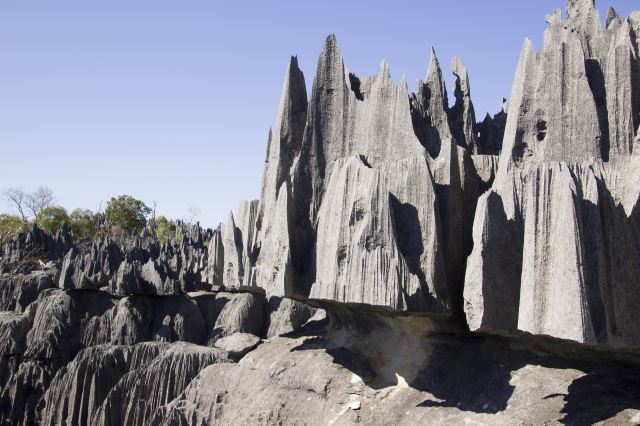
One visit to Tsingy de Bemaraha National Park in Madagascar and you may find yourself feeling like you have stepped onto another planet. The mineral forest was formed nearly 200 million years ago and has become a popular destination for adventurous hikers from around the world. The hanging bridge, while not for the faint of heart, is one of the most photographed spots within the park.
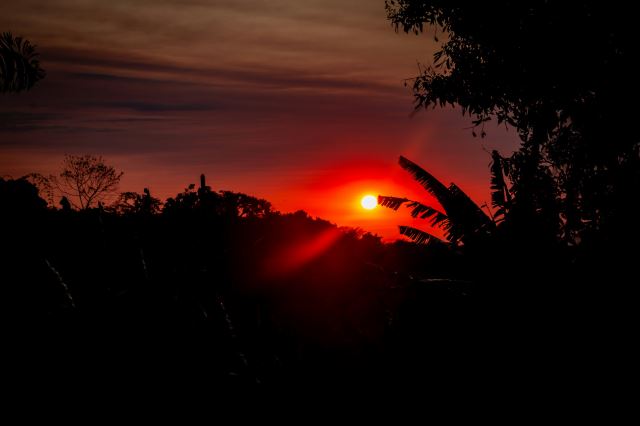
Nosy Komba is a small volcanic island in northwestern Madagascar, located between the larger island of Nosy Be and the mainland. Its slopes rise from the sea and are covered with tropical vegetation, while the coastline includes sandy coves, rocky shores, and clear waters. The island has no large urban center, and villages are spread along the coast and lower hillsides. Forested interiors provide habitat for Madagascar's distinctive wildlife, while offshore waters contain coral reefs and marine
Destinations 1 - 12 of 20